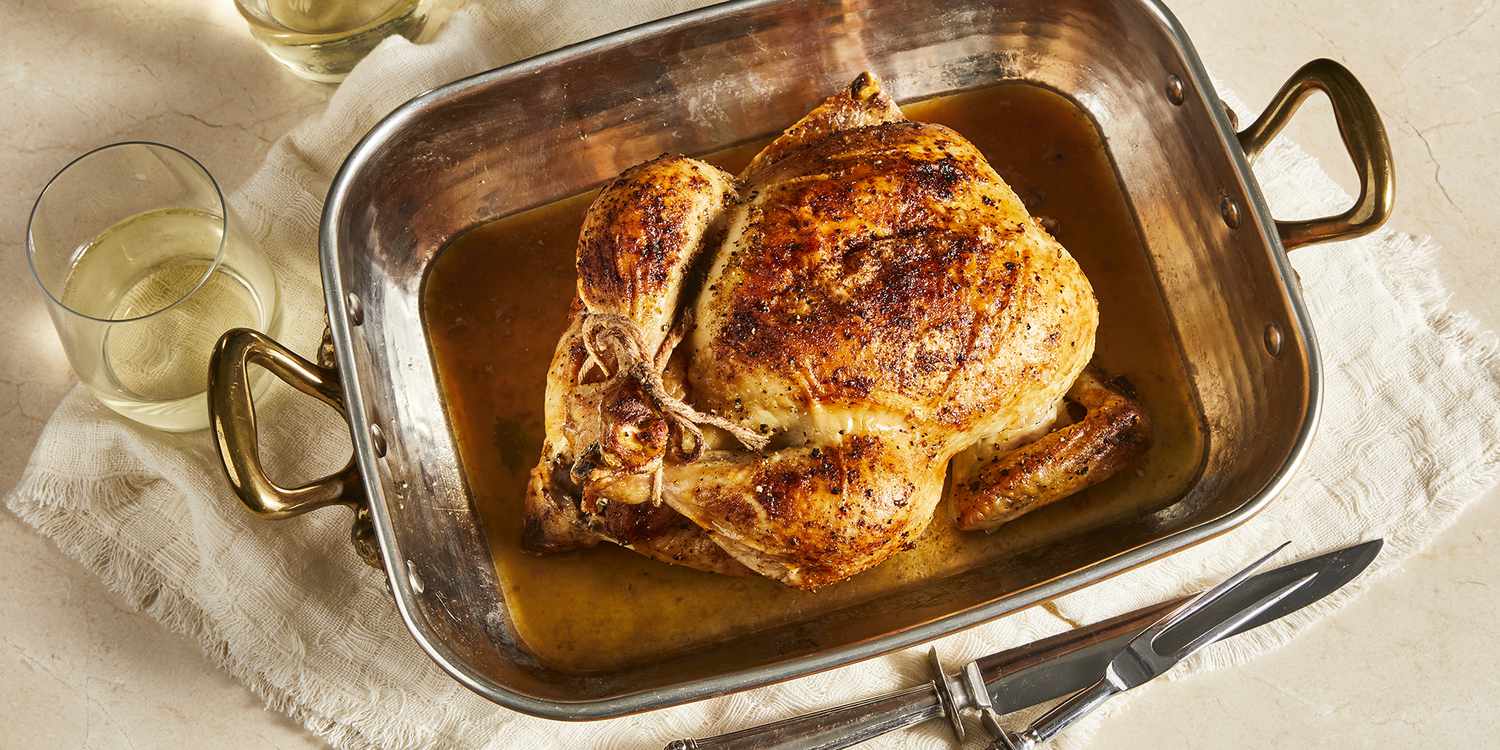
Easy Roast Chicken: Juicy Meat and Veggies, No Roasting Pan Needed
Few culinary experiences evoke the warmth and comfort of home quite like a perfectly cooked roast chicken. The aroma alone is enough to make mouths water, promising tender, succulent meat encased in beautifully crisp, golden skin. Paired with sweet, savory vegetables roasted in the chicken's own flavorful drippings, it's a meal that speaks to the soul.
However, the idea of preparing a magnificent roast chicken can sometimes feel daunting. Visions of complicated brining, frequent basting, and the need for specialized equipment like a bulky roasting pan might deter even enthusiastic home cooks. But what if we told you that the ultimate roast chicken experience doesn't require any of that fuss? Forget the elaborate preparations and hunting down obscure ingredients. This simple roast chicken recipe is designed for real life, delivering an unbelievably juicy bird and deeply flavorful vegetables with minimal effort, and yes, no roasting pan needed!
Why This Simple Roast Chicken Recipe Is Your New Go-To
This isn't just another easy meal; it's a game-changer. Our straightforward method consistently yields results that taste like you spent hours slaving away, when in reality, the oven does most of the work. Here’s why this particular Simple Roast Chicken: Juicy Meat and Crispy Skin, No Basting will become a cherished staple in your kitchen:
- Juicy Meat & Crispy Skin, Effortlessly: The magic lies in the consistent high heat, which allows the chicken skin to crisp beautifully without the need for constant basting. This means fewer interruptions and a more stable oven temperature, leading to a perfectly cooked interior.
- Flavor-Infused Vegetables: Chopped root vegetables, onions, and even apples roast alongside the chicken, nestled right beneath it. As the chicken cooks, its savory juices drip down, bathing the vegetables in an incredible, concentrated flavor. These "schmaltzy" veggies aren't just a side dish; they're a highlight.
- Ultimate Comfort Food: There's something inherently satisfying about a home-cooked roast chicken. It's a meal that nourishes both body and soul, perfect for a cozy weeknight dinner or a relaxed weekend gathering.
- No Special Equipment Required: Forget the roasting pan. You can achieve fantastic results with kitchen staples you likely already own.
- Fantastic Leftovers: A roast chicken is the gift that keeps on giving. Any leftover meat can be transformed into quick and easy meals for days, from vibrant salads and hearty sandwiches to comforting enchiladas or wraps.
The Secret to Simplicity: No Bells, Whistles, or Specialized Equipment
The beauty of this roast chicken recipe is its profound simplicity. It proves that you don't need fancy techniques or a full arsenal of kitchen gadgets to achieve exemplary results. Over years of culinary exploration, a few core principles have consistently emerged as the keys to success:
The Magic of 400°F
We've found that a consistent oven temperature of 400°F (200°C) is the sweet spot for roasting a chicken. This relatively high heat ensures that the skin begins to crisp almost immediately, locking in moisture and creating that desirable golden-brown exterior. Unlike lower temperatures that can lead to rubbery skin or longer cooking times that risk drying out the meat, 400°F strikes the perfect balance. It cooks the chicken through efficiently while encouraging a magnificent crust without ever needing to baste or "babysit" the bird.
Your Kitchen, Your Roasting Pan
One of the most liberating aspects of this recipe is the complete absence of a specialized roasting pan requirement. Don't have one? No sweat! You likely have several excellent alternatives already in your kitchen:
- Dutch Oven: A 5-quart or larger Dutch oven is arguably the best substitute. Its heavy bottom and high sides create an ideal environment, trapping steam initially to keep the chicken moist, then allowing for beautiful browning.
- Large Cast-Iron Pot or Skillet: Similar to a Dutch oven, cast iron provides excellent heat retention and distribution, contributing to even cooking and a lovely crust. Ensure it's large enough to comfortably hold the chicken and vegetables.
- Rimmed Baking Sheet: A sturdy, large rimmed baking sheet is perfectly capable. The rim is crucial to contain the valuable pan juices and prevent them from spilling into your oven. It offers a more exposed cooking environment, which can lead to even crispier skin.
Whichever vessel you choose, the goal is to elevate the chicken slightly and provide a bed for the vegetables to catch those precious drippings.
The Humble Bed of Vegetables
Roasting your chicken on a bed of vegetables isn't just practical; it's genius. This simple act serves multiple purposes:
- Elevation: The vegetables lift the chicken slightly off the bottom of the pan, promoting better air circulation around the bird. This aids in more even cooking and helps the underside of the chicken crisp up.
- Flavor Absorption: As the chicken roasts, its rendered fat and savory juices drip down, imbuing the vegetables with incredible depth of flavor. Think of it as a natural marinade for your side dish.
- Moisture & Aroma: The vegetables release moisture and aromatic compounds as they cook, contributing to a more flavorful and slightly humid environment within the oven, which can help keep the chicken from drying out.
Experiment with your favorite root vegetables like carrots, potatoes, parsnips, and turnips. Large chunks of onion, whole garlic cloves, fennel, or even a diced apple can add wonderful dimensions of flavor and sweetness. Use what you have on hand – the beauty is in the flexibility.
Mastering the Easy Roast Chicken Recipe: Key Steps for Success
While this roast chicken recipe champions simplicity, a few crucial steps ensure a consistently perfect result every time. These are the foundations upon which a truly exemplary roast chicken is built:
1. Start with a Good Chicken
The quality of your main ingredient makes a significant difference. Aim for:
- Size: A chicken weighing 4 pounds or less is ideal, as it tends to be more tender and cooks more evenly. Up to 5 pounds is perfectly fine, but beyond that, you might need to adjust cooking times or consider spatchcocking for evenness.
- Quality: Look for organic, free-range, or air-chilled chickens if possible. Air-chilled is particularly noteworthy because the chilling process involves air instead of an ice-water bath, meaning the chicken absorbs less water. This translates to more concentrated flavor and a crispier skin texture.
- Freshness: Always check the sell-by date. If using a frozen chicken, ensure it's completely thawed in the refrigerator. This can take up to two days for a larger bird. A partially frozen chicken will cook unevenly.
2. Season Well (Inside and Out)
Don't be shy with your seasoning! This is where much of the chicken's flavor comes from. Pat the chicken thoroughly dry with paper towels—this is crucial for crispy skin. Then:
- Salt & Pepper: Generously season the entire exterior of the bird with kosher salt and freshly ground black pepper. Rub it into the skin.
- The Cavity: Don't forget the inside! A good pinch of salt in the cavity makes a surprising difference. Stuffing the cavity with aromatics like half a lemon, a few sprigs of fresh rosemary or thyme, and several smashed garlic cloves will infuse the meat with incredible flavor from within.
3. Watch the Clock, But Trust Your Thermometer
Overcooking is the greatest enemy of a juicy chicken. While general guidelines exist (e.g., about 20 minutes per pound plus an extra 15 minutes for the whole bird at 400°F), oven temperatures can vary wildly, and every chicken is different. This is where a reliable meat thermometer becomes your best friend.
- Internal Temperature: Insert the thermometer into the thickest part of the thigh, avoiding the bone. The chicken is safely cooked when it reaches 165°F (74°C). For truly tender dark meat, some chefs prefer to cook the thighs to 175°F (79°C).
- Don't Guess: The old trick of waiting for juices to run clear isn't always reliable and often means the chicken is already past its prime. A thermometer is the only foolproof way to ensure safety and prevent overcooking.
4. Give It a Rest
This step is non-negotiable and often overlooked. Once your chicken reaches the desired internal temperature, remove it from the oven, transfer it to a cutting board, and tent it loosely with foil. Let it rest for at least 10-15 minutes (20 minutes for a larger bird).
Why rest? As the chicken cooks, the muscle fibers contract, pushing the juices towards the center of the bird. Cutting into it immediately would cause all those precious juices to spill out onto your board, leaving you with dry meat. Resting allows the muscle fibers to relax and reabsorb those juices, resulting in a significantly more succulent and flavorful chicken. For more foolproof tips on achieving perfect results, check out our guide on Foolproof Roast Chicken: Get Perfect Results With Easy Steps.
Pairing and Leftovers: Maximizing Your Roast Chicken Experience
Once your beautifully roasted chicken has rested, it's ready to be carved and enjoyed. Serve it alongside the deeply flavorful, schmaltzy roasted vegetables from the pan, perhaps with a simple green salad or some crusty bread to soak up any remaining juices. This meal is truly a feast in itself.
But the joy of this simple roast chicken recipe extends beyond the initial meal. Leftovers are incredibly versatile and can inspire countless delicious dishes:
- Chicken Salad: Shredded chicken mixed with mayonnaise, celery, and herbs makes for fantastic sandwiches or lettuce wraps.
- Enchiladas, Tacos, or Quesadillas: Toss shredded chicken with your favorite seasonings and fillings for a quick Tex-Mex inspired meal.
- Soups & Broths: Don't discard the carcass! Simmer it with some mirepoix (onions, carrots, celery) and herbs to create a rich, homemade chicken broth, perfect for soups, stews, or risottos.
- Pasta Dishes: Add diced leftover chicken to pasta salads, creamy pasta sauces, or even a simple pesto pasta.
- Stir-fries & Fried Rice: Quickly sauté leftover chicken with vegetables and your favorite sauces for a speedy weeknight dinner.
This truly is the easiest, most reliable roast chicken recipe you'll ever encounter. It's a testament to the fact that sometimes, the simplest methods yield the most profound and satisfying results. So, next time you're craving that comforting aroma and a truly delicious meal, grab a chicken, a few vegetables, and experience the pure joy of a perfectly roasted bird, no special pan required.
