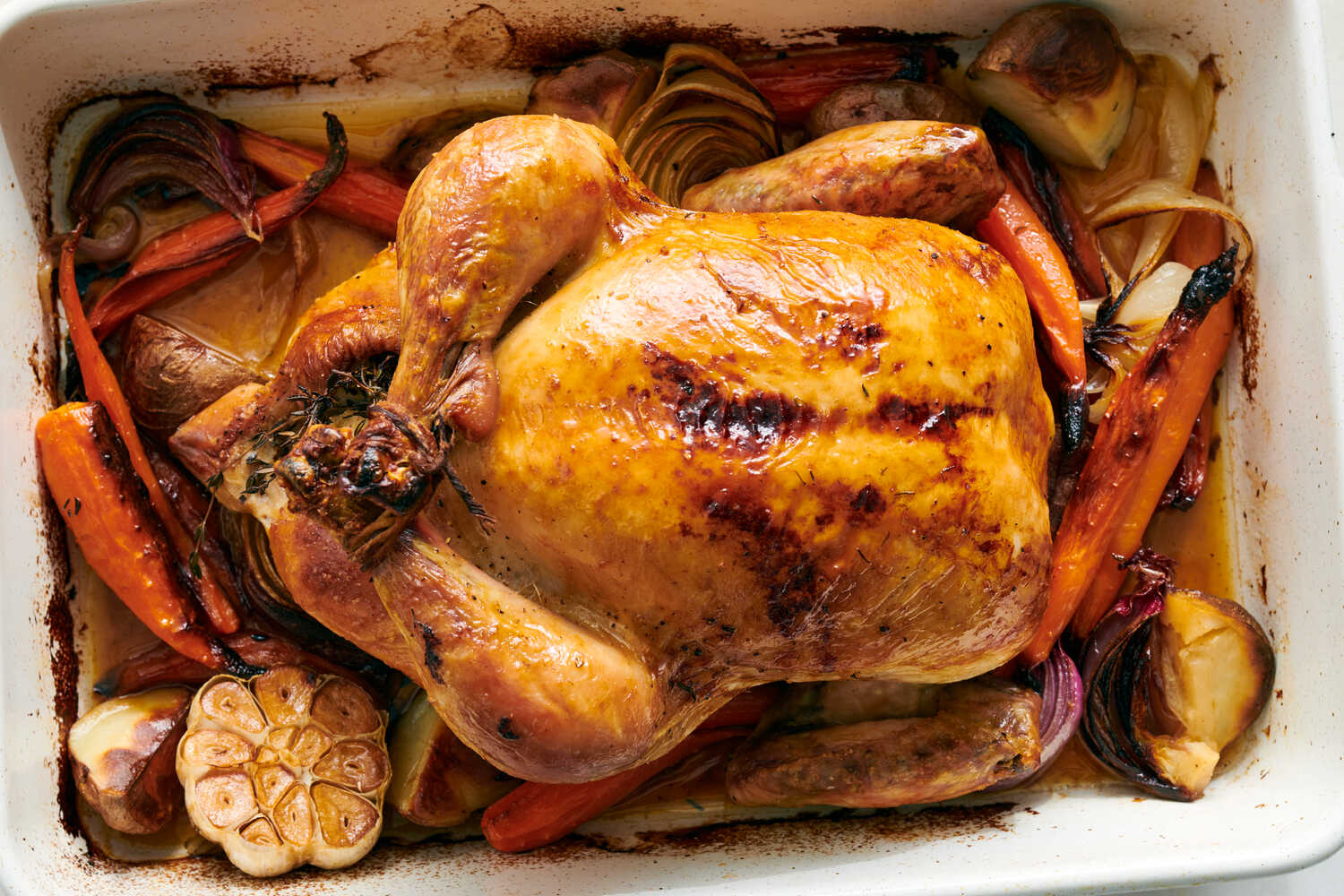
Foolproof Roast Chicken: Achieve Perfect Results With Easy Steps
Few culinary endeavors offer as much satisfying comfort as a perfectly roasted chicken. The sight of golden-brown skin, the tantalizing aroma filling your home, and the promise of succulent, juicy meat can transform an ordinary evening into a special occasion. Yet, for many home cooks, the idea of preparing a magnificent roast chicken can feel daunting, conjuring images of complex techniques, constant basting, or the dreaded dry bird. But what if we told you that achieving a truly spectacular result is not only simple but virtually foolproof? This comprehensive guide unveils a straightforward roast chicken recipe designed to deliver consistent perfection with minimal fuss.
Forget the elaborate brining and spatchcocking for now. This method, a trusted favorite of experienced cooks and a beacon for beginners, focuses on maximizing flavor and texture through smart, uncomplicated steps. Inspired by culinary legends and time-tested wisdom, this isn't just a recipe; it's a philosophy of ease that yields incredible dividends. Get ready to impress yourself and your loved ones with a meal that feels gourmet, yet requires surprisingly little effort.
Why This Roast Chicken Recipe Works Every Time
The beauty of this roast chicken recipe lies in its elegant simplicity and intelligent design, which bypasses common pitfalls while amplifying flavor. Here's why you can count on it for juicy meat and wonderfully crisp skin:
- The 400°F Sweet Spot: The oven temperature is key. Roasting at a consistent 400°F (200°C) provides enough heat to render the fat under the skin, leading to that coveted golden crispness, without overcooking the meat. This higher temperature also helps create a flavorful crust quickly, sealing in juices.
- No Basting Required: One of the most freeing aspects of this method is the elimination of basting. Constantly opening the oven door allows heat to escape, prolonging cook time and hindering the browning process. At 400°F, the chicken essentially self-bastes, creating a beautifully browned exterior and moist interior. For more on this no-baste magic, explore our Simple Roast Chicken: Juicy Meat and Crispy Skin, No Basting article.
- A Bed of Flavorful Veggies: Roasting the chicken on a layer of chopped vegetables isn't just about convenience; it's a culinary hack. The vegetables elevate the chicken slightly, promoting more even air circulation around the bird and contributing to overall browning. More importantly, they soak up all the delectable, rendered chicken fat (schmaltz) and savory juices, transforming into unbelievably tender, flavor-packed side dishes. Root vegetables like carrots, potatoes, parsnips, and even chunks of onion or fennel work beautifully, absorbing that rich goodness.
- Stress-Free Preparation: There’s no need for elaborate planning or hunting down special ingredients. This recipe is designed for those moments when you want a fantastic meal without the extensive prep work. You can pick up a chicken from the grocery store and have a gourmet-level dinner on the table with minimal fuss.
Essential Equipment & Ingredients: Keeping It Simple
You might be surprised by how few specialized tools you need for this particular roast chicken recipe. In fact, you probably have most of what's required in your kitchen already.
The Right Chicken Makes a Difference
- Size: Aim for a chicken weighing 3 to 4 pounds for the most tender, evenly cooked results. Up to 5 pounds is perfectly fine, but larger birds may take longer and have a slightly higher risk of drying out if not watched carefully.
- Quality: While any fresh whole chicken will work, opting for organic, pasture-raised, or air-chilled varieties can elevate the flavor and texture significantly. Air-chilled chickens, in particular, tend to have less retained water, leading to crispier skin.
- Preparation: If starting with a frozen bird, ensure it's completely thawed in the refrigerator – this can take up to two days for a medium-sized chicken. Most crucially, pat the chicken bone-dry inside and out with paper towels before seasoning. This is a non-negotiable step for achieving that coveted crispy skin.
Your Roasting Vessel: No Roasting Pan? No Problem!
You don't need a dedicated roasting pan. In fact, many home cooks, including myself, prefer alternatives. A heavy-bottomed vessel that can withstand high heat and has enough space for the chicken and vegetables is ideal:
- Dutch Oven: A 5-quart or larger Dutch oven is an excellent choice. Its even heat distribution and ability to contain juices make it perfect.
- Large Cast-Iron Skillet/Pot: Similar to a Dutch oven, cast iron provides superb heat retention and browning.
- Rimmed Baking Sheet: A sturdy, rimmed baking sheet (half-sheet size is usually good) lined with foil or parchment works wonderfully, especially if you want maximum surface area for browning the veggies. For more flexible options, check out our article on Easy Roast Chicken: Juicy Meat and Veggies, No Roasting Pan Needed.
Non-Negotiable Tools & Flavor Builders
- Meat Thermometer: This is your best friend and the ultimate guarantor of a perfectly cooked, safe-to-eat chicken. Forget the unreliable "juices run clear" trick; a reliable instant-read thermometer is the only way to be certain without overcooking.
- Sharp Knife & Cutting Board: For carving.
- Seasonings: Coarse salt (kosher or sea salt) and freshly ground black pepper are paramount.
- Aromatics: Don't forget to stuff the chicken's cavity with flavor builders. Lemon halves, quartered onions, whole garlic cloves, and sprigs of fresh herbs like rosemary or thyme infuse the meat with incredible aroma and taste from the inside out.
Your Step-by-Step Guide to the Perfect Roast Chicken
Follow these simple instructions for a delicious outcome every time:
- Preheat & Prep Veggies: Preheat your oven to 400°F (200°C). Chop your chosen vegetables (carrots, potatoes, onions, celery, parsnips, etc.) into 1-2 inch pieces. Toss them lightly with a drizzle of olive oil, salt, and pepper, then spread them evenly across the bottom of your chosen roasting vessel.
- Prepare the Chicken: Remove the chicken from its packaging and take out any giblets from the cavity. Pat the entire chicken, inside and out, very dry with paper towels. This step is critical for crispy skin.
- Season Generously: Season the chicken liberally with coarse salt and freshly ground black pepper. Don't be shy! Make sure to season the cavity as well. You can even gently lift the skin over the breast to rub some seasoning directly onto the meat.
- Stuff the Cavity: Place your aromatics (lemon halves, onion wedges, garlic cloves, herb sprigs) inside the chicken's cavity. This adds internal steam and flavor. You can truss the chicken if you like, but it’s not strictly necessary for this method; it just helps it cook a bit more compactly.
- Position the Chicken: Place the seasoned chicken directly on top of the bed of vegetables in your roasting pan.
- Roast: Transfer the roasting vessel to the preheated oven. A general guideline for cooking time is about 20 minutes per pound, but this can vary depending on your oven and the chicken's starting temperature. For a 4-pound chicken, expect around 80 minutes to 1 hour and 40 minutes. Begin checking for doneness earlier than expected.
- Check for Doneness: The chicken is done when an instant-read meat thermometer inserted into the thickest part of the thigh (without touching the bone) registers 165°F (74°C). The juices should run clear, and the skin should be a beautiful golden brown.
- The All-Important Rest: Once cooked, remove the chicken from the oven and carefully transfer it to a clean cutting board. Tent it loosely with foil and let it rest for at least 10-15 minutes (20 minutes for a larger bird). Do not skip this step! Resting allows the juices to redistribute throughout the meat, ensuring every bite is moist and flavorful. Cutting into it too soon will cause all those delicious juices to run out onto your board.
- Carve & Serve: After resting, carve the chicken and serve it with the schmaltzy roasted vegetables and any pan juices.
Beyond the Bird: Tips, Tricks, and Serving Suggestions
This roast chicken recipe is fantastic on its own, but here are some ideas to elevate your meal:
- Simple Pan Sauce: While the chicken is resting, you can quickly make a pan sauce. Deglaze the roasting pan with a splash of white wine or chicken broth, scraping up all the delicious browned bits from the bottom. Simmer briefly until slightly reduced and thickened.
- Custom Herb & Spice Rubs: Experiment with different flavor profiles. A mix of paprika, garlic powder, onion powder, and a touch of cayenne can add a smoky kick. Fresh herbs like sage, thyme, and rosemary minced with some garlic and olive oil make a vibrant rub.
- Leftover Magic: Don't let any precious meat go to waste! Leftover roast chicken is incredibly versatile. Shred it for enchiladas, wraps, tacos, salads, sandwiches, or stir-fries. The carcass can be used to make a rich, homemade chicken stock.
- Perfect Pairings: Classic accompaniments include creamy mashed potatoes, steamed green beans, a crisp green salad with vinaigrette, or even a hearty bread to soak up those incredible pan juices.
Conclusion
Roast chicken doesn't have to be a culinary challenge reserved for special occasions or experienced chefs. With this foolproof roast chicken recipe, you have all the tools and knowledge to achieve a consistently perfect result: succulent meat, incredibly crispy skin, and deeply flavorful vegetables, all with minimal effort. Embrace the simplicity, trust the process, and soon you'll find yourself reaching for this reliable recipe again and again. It's more than just a meal; it's a true comfort food that brings warmth and satisfaction to any table. Happy roasting!
