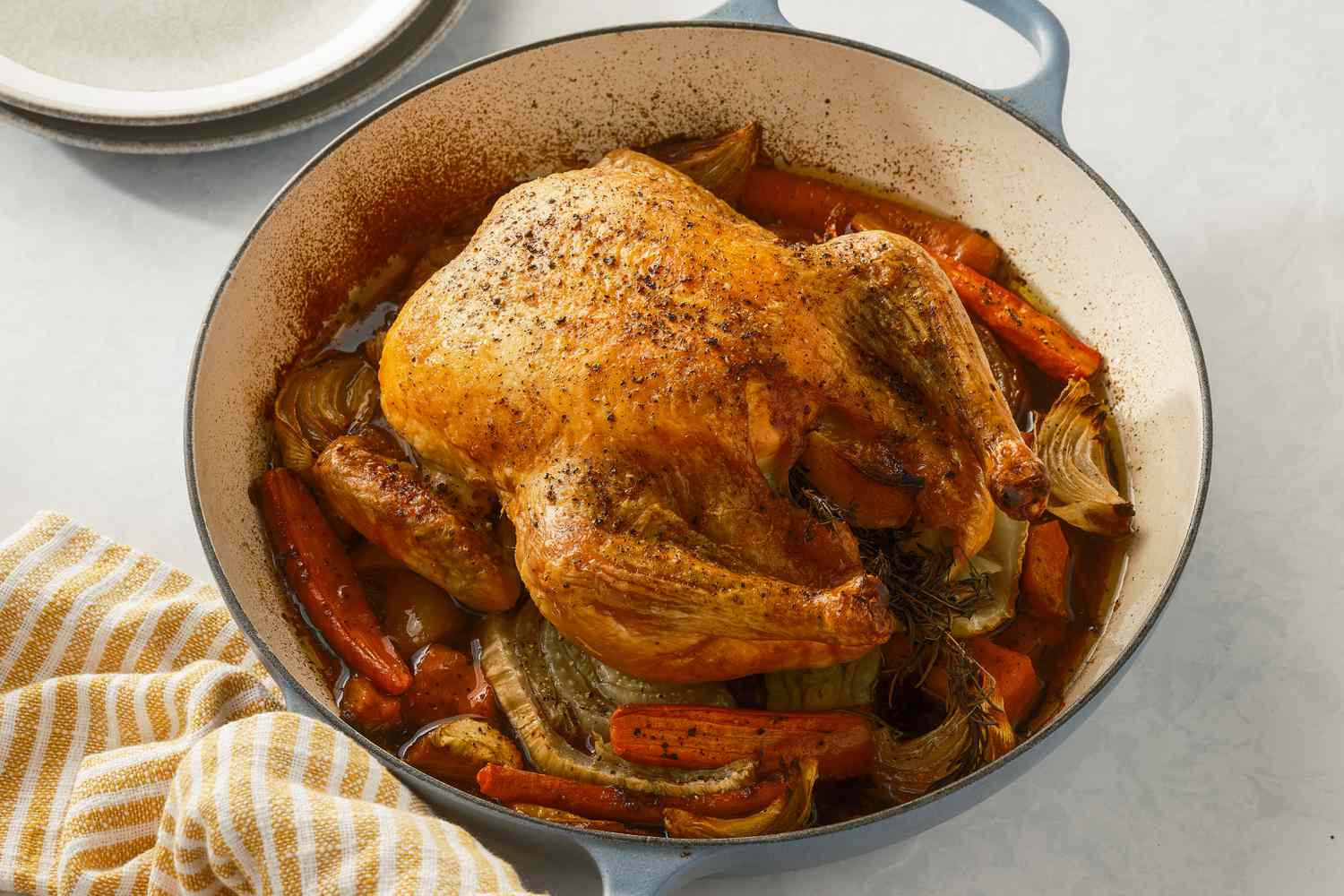
Simple Roast Chicken: Juicy Meat and Crispy Skin, No Basting
Few culinary endeavors evoke a sense of home and comfort quite like a perfectly cooked roast chicken. The golden, crispy skin, the succulent, juicy meat, and the incredible aroma filling your kitchen can transform an ordinary evening into a special occasion. Yet, for many, the idea of roasting a whole chicken feels daunting, conjuring images of complex techniques, constant basting, and the ever-present fear of a dry, uninspiring bird.
What if we told you that achieving that perfect foolproof roast chicken — complete with juicy meat and irresistibly crispy skin — requires no brining, no spatchcocking, and absolutely no basting? This isn't a kitchen myth; it's a tried-and-true method that prioritizes simplicity without sacrificing flavor or texture. This easy roast chicken recipe is designed for real life, allowing you to create a truly satisfying meal with minimal fuss and maximum reward.
The Magic of Simplicity: Why This Roast Chicken Recipe Stands Out
While the internet is awash with elaborate roast chicken strategies, this method champions a return to basics. We understand the allure of new-fangled tricks – the promise of unparalleled tenderness through a wet brine or incredibly even cooking from spatchcocking. However, sometimes, you simply don't have the time or inclination for extensive forethought and preparation. This is where our simple roast chicken recipe shines.
The core genius lies in its simplicity and a precise roasting temperature. We’ve found that a consistent 400°F (200°C) oven temperature is the sweet spot. This heat level is high enough to render the fat, encouraging the skin to crisp beautifully, while simultaneously allowing the interior meat to cook through gently and evenly, locking in moisture. The result? A chicken that's succulent from breast to thigh, with a shatteringly crisp skin, all achieved without the need for constant basting. Basting, surprisingly, can actually cool the skin, hindering its crisping process and often just adding more work.
Beyond the temperature, this recipe makes smart use of humble root vegetables. By roasting the chicken on a bed of chopped vegetables, you achieve several advantages:
- Natural Elevation: The vegetables lift the chicken slightly, allowing air to circulate more evenly around the bird for better browning.
- Flavor Infusion: As the chicken roasts, its flavorful pan juices (the "schmaltzy" goodness) drip down, coating and enriching the vegetables below.
- Built-in Side Dish: You end up with tender, incredibly flavorful roasted vegetables that are a perfect accompaniment to your chicken, soaking up every last drop of deliciousness.
This approach means no special planning beyond your grocery trip. You can pick up a chicken, come home, and confidently prepare a meal that feels both gourmet and incredibly comforting.
Elevating Your Meal: Flavorful Vegetables and Versatile Leftovers
The bed of vegetables isn't just a clever trick for better cooking; it's an integral part of the meal's appeal. Imagine sweet carrots, earthy parsnips, tender potatoes, and aromatic onions slow-roasting beneath a chicken, caramelizing and absorbing all those savory drippings. These aren't just any roasted vegetables; they are imbued with a depth of flavor that only comes from cooking alongside a whole chicken. You can use a mix of any sturdy root vegetables you have on hand – carrots, turnips, parsnips, potatoes, sweet potatoes, and even big chunks of onion, fennel, or a diced apple work wonderfully. Whole garlic cloves also soften and sweeten, becoming spreadable bursts of flavor.
And what about the magic of leftovers? A simple roast chicken is a gift that keeps on giving. While a freshly roasted bird is a delight, any remaining meat transforms into an incredibly versatile ingredient for subsequent meals. Think beyond just reheating a slice:
- Quick Tacos or Enchiladas: Shred the chicken and use it as a filling with your favorite seasonings and toppings.
- Hearty Wraps or Sandwiches: Mix with a little mayo, herbs, and celery for a classic chicken salad, or simply slice and layer with fresh greens.
- Nutritious Salads: Add cold, shredded chicken to a vibrant salad for a protein-packed lunch.
- Comforting Soups or Stews: The carcass can even be used to make a rich, homemade chicken broth, which then becomes the base for a comforting soup featuring leftover chicken and vegetables.
- Pasta Dishes: Toss shredded chicken with pasta, pesto, and roasted vegetables for a quick weeknight dinner.
Having a freshly roasted chicken on hand means you're just minutes away from several other delicious, effortless meals throughout the week, making it a truly economical and time-saving cooking strategy.
Mastering the Basics: Keys to a Perfect Roast Chicken Every Time
While this roast chicken recipe is wonderfully simple, a few fundamental principles ensure consistent success. These aren't "bells and whistles," but rather essential steps for an outstanding result:
Start with a Good Chicken
The quality of your primary ingredient significantly impacts the final dish. Aim for a fresh, high-quality bird. Organic is often ideal, and air-chilled chickens are preferred because they absorb less water during processing, leading to better flavor concentration and crispier skin. For optimum tenderness, a chicken weighing four pounds or less is best, though up to five pounds will work beautifully with this method. Always double-check the sell-by date, and if you're starting with a frozen chicken, ensure it's completely thawed in the refrigerator – this can take up to two days for a larger bird.
Season Well
Don't be shy with the seasoning! Salt and freshly ground black pepper are your best friends here. Apply a generous amount to the outside of the chicken, ensuring you get into all the nooks and crannies. Crucially, remember to season the cavity as well. For an extra layer of flavor without adding complexity, stuff the cavity with aromatics like lemon halves, onion wedges, garlic cloves, or fresh herbs like thyme and rosemary. For truly next-level skin crispness and flavor, consider a simple dry brine by salting the chicken and letting it sit uncovered in the fridge for a few hours or even overnight; this draws moisture out of the skin and into the meat, yielding incredible results.
Watch the Clock, Use a Thermometer
Overcooking is the ultimate enemy of a juicy chicken. While a general guideline is 20 minutes per pound plus an additional 15-20 minutes, oven temperatures can vary, and chickens differ in size and shape. This is where a reliable meat thermometer becomes your non-negotiable kitchen tool. Forget the old trick of waiting for juices to run clear; it's often an indicator that your chicken is already past its prime. Insert the thermometer into the thickest part of the thigh, making sure not to touch the bone. The target internal temperature is 165°F (74°C). Start checking about 15-20 minutes before the estimated cook time.
Give It a Rest
Once your chicken reaches the target temperature, resist the urge to carve it immediately. Resting is a critical step that allows the juices to redistribute throughout the meat, ensuring every bite is moist and flavorful. Simply transfer the chicken to a cutting board, tent it loosely with foil, and let it rest for at least 10-15 minutes. During this time, carryover cooking will also gently raise the internal temperature a few extra degrees.
Equipment Essentials (and Alternatives!)
One of the beauties of this simple roast chicken recipe is its flexibility with equipment. You absolutely do not need a dedicated roasting pan to achieve fantastic results. In fact, many common kitchen items work just as well, if not better:
- Dutch Oven: A 5-quart or larger Dutch oven is a favorite choice. Its heavy construction promotes even heat distribution, and its depth helps contain juices and moisture, making it ideal for tender chicken and rich vegetables.
- Large Cast-Iron Pot: Similar to a Dutch oven, a cast-iron pot offers excellent heat retention and a fantastic sear, contributing to that irresistible crispy skin.
- Rimmed Baking Sheet: If you don't have a Dutch oven or cast-iron pot, a sturdy, rimmed baking sheet works perfectly. Just ensure it has enough of a lip to catch all those delicious pan juices. You might want to use a wire rack placed over the baking sheet, though the bed of vegetables often serves a similar purpose by lifting the chicken.
The key is to use something large enough to comfortably hold your chicken and vegetables without overcrowding, allowing for even cooking and browning.
This simple roast chicken recipe is a testament to the idea that sometimes, less is truly more. It strips away the unnecessary complexities, focusing on core techniques that yield consistently delicious results. Whether you're a seasoned home cook or a complete novice, this method empowers you to create a beautiful, juicy, and crispy-skinned roast chicken that will become a cherished tradition in your home. So next time you're craving that ultimate comfort food, bypass the intricate instructions and embrace the elegant simplicity of this foolproof approach. You'll be rewarded with a meal that nourishes both body and soul. For more culinary inspiration, explore our articles on Foolproof Roast Chicken: Get Perfect Results With Easy Steps and Easy Roast Chicken: Juicy Meat and Veggies, No Roasting Pan Needed.
